ServicesRoof Inspections
Roof Inspections in Wendell, NC
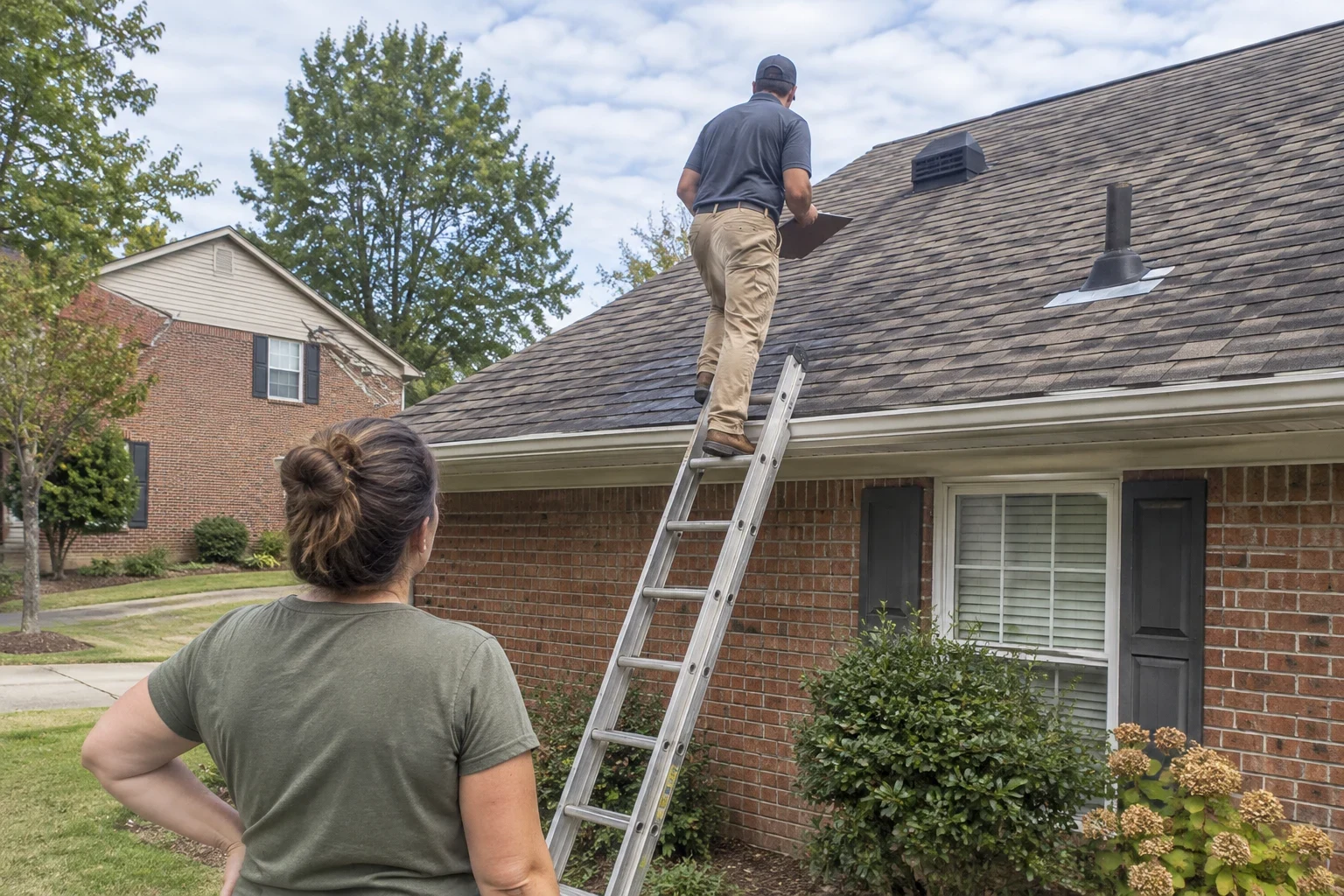
We get on your roof, check every layer that keeps water out, and show you photos of what we found. You get a free roof inspection, a plain answer on what is wrong and why, and options sorted by what actually needs doing now.
Why an inspection comes before any quote
An inspection is how we find the cause before anyone talks about cost. We examine the shingles, the metal flashing, the vents and gutters, then look at the roof decking from inside the attic. The question we answer is where water is entering now, and where it is likely to enter next.
Roofing Wendell is a licensed general contractor in North Carolina, and we are insured. Our crews complete more than 1,000 roof inspections every year, so we have seen how asphalt shingles break down through long, humid summers and how a split pipe boot looks months before it marks a ceiling.
A sound roof gets a plain report saying so. A roof with problems gets a clear call on roof repair versus roof replacement, with the reason behind it.
Every part of the roof we look at
Shingles and granule coverage
Bare spots, cracked or cupped tabs, unsealed shingles and visible fiberglass mat all go in the notes. The granule layer blocks UV from reaching the asphalt. Once it washes off, the shingle hardens and fails sooner.
Step flashing, counterflashing and valleys
The metal at sidewalls, chimneys and valleys is the most common leak source we find. We look for rust, open seams, dried-out sealant, and flashing that was face-nailed or skipped during the original install.
Pipe boots and vents
Sun exposure dries out the neoprene seal around each plumbing stack until it splits, and rain then tracks down the pipe into your home. Ridge vents, box vents and exhaust caps get checked for damage and loose or missing fasteners.
Decking and attic
Inside the attic we watch for light coming through, dark rings on the sheathing, soft or delaminating plywood and wet insulation. Frost or rust on the nail tips points to a ventilation problem.
Gutters, fascia and drip edge
Gutters that clog or slope the wrong way push water under the starter course and into the fascia board. We note the drip edge, fascia and downspout discharge, and flag anything for our gutters crew.
Your photo report
We photograph and label each finding. The report is yours to keep, to look over with family or to forward to your insurance company.
When to schedule a roof inspection
Ceiling or wall stains
Leaking water tends to run along a rafter or the decking before it falls, so the spot inside is usually some distance from the opening. We follow that path back to where water is actually getting in.
Granules in the downspouts
Some loose granules in the first months of a new roof are expected. Ongoing piles from an older roof tell you the shingle surface is wearing away.
Hail or strong wind
Hail bruising rarely shows from the yard, and wind can unseal a shingle's adhesive strip while leaving the shingle in place. Around here that usually follows summer thunderstorms or what is left of a tropical storm.
A home sale or purchase
Checking the roof before closing puts its condition on paper early, so it does not become a last-minute issue between buyer and seller.
Fifteen-plus years on the roof
Asphalt shingle roofs commonly begin to show real wear somewhere past 15 years. A look now gives you time to plan rather than respond to a leak.
Moss or dark streaking
Dark streaks are typically algae and mostly a cosmetic issue. Moss traps moisture against the shingles and can pry their edges up.
What happens during the visit
- 1
A quick call first
You describe what you have noticed and when it started. We also ask the roof's approximate age and any past patch work on it, then pick a time that suits you.
- 2
On the roof
When it is safe, we walk the slopes. On very steep or brittle roofs we work from ladders at the eaves instead. Shingles, flashing, valleys, vents, ridges and gutters are photographed as we go.
- 3
In the attic
If you allow it, we go up into the attic to see the sheathing from below, along with the vents and insulation. A leak's true route often becomes clear from inside.
- 4
Going over the photos
We sit down with you, show each photo and explain what caused it. Urgent items are separated from things that can wait, and the report stays with you.
- 5
Next steps
When work is needed, you get a written estimate for a repair or a replacement. For storm damage, we can meet with your adjuster and help you through the insurance claim process.
The inspection is free. Here is what sets repair costs.
You pay nothing for the inspection. If we find work to do, the price depends on the problem itself, and we go through every line of the estimate with you before you commit to anything. These are the main drivers.
- How much damage, and where
- Swapping a split pipe boot is a quick job. A flashing leak that has gone on for years can mean pulling shingles, replacing soft plywood and installing new flashing around the whole area.
- Pitch and access
- Steeper roofs call for harnesses, roof jacks and extra labor hours. Two-story eaves and narrow side yards take more setup time.
- Material choices
- Finding a shingle that matches the existing color and profile, the gauge of the flashing metal and the type of underlayment all change the number.
- Insurance or financing
- If a storm claim is approved, your out-of-pocket share usually tracks your deductible, which is why good photos matter. Financing is available through Acorn Finance if you prefer monthly payments.
Questions about roof inspections
Something not covered here? (919) 887-9827
Is there a charge for the inspection?
No. The roof check, the attic look if you want one, and the photo report of findings are all free. You are under no obligation to hire us for any work afterward.
How long will it take?
Plan on about an hour for a typical single-family roof. Larger or steeper roofs with many valleys and several trouble spots take more time, and so does a thorough attic check.
Does someone need to be home?
It is easier if you are, since the attic and any inside stains need access. If you are away, we can cover the exterior and review the photos with you over the phone later.
Are you going to push a full replacement?
No. Plenty of leaks trace back to one flashing detail or one cracked boot, and a repair fixes them. When a roof truly has reached the end of its life, the photos make the reasons plain.
Will the report help with my insurance claim?
It can. Dated photos and specific notes on hail or wind damage give the adjuster real evidence to review. We can also meet the adjuster at your home and help you through the claim, while the coverage decision stays with your insurer.
Do you work outside Wendell?
Yes. We inspect roofs in Knightdale, Zebulon, Clayton, Garner and other nearby towns. Give us your address when you call and we will confirm it is in our area.
See what is really on your roof
One call gets you a free roof inspection and a photo report you can keep. We tell you the cause, the options and what each one involves.